
Historical Exhibition of the September 18 Incident
Entrant Company
Luxun Academy of Fine Arts
Category
Interior Design - Exhibits, Pavilions & Exhibitions
Client's Name
ZHAO CHENGLIN
Country / Region
China
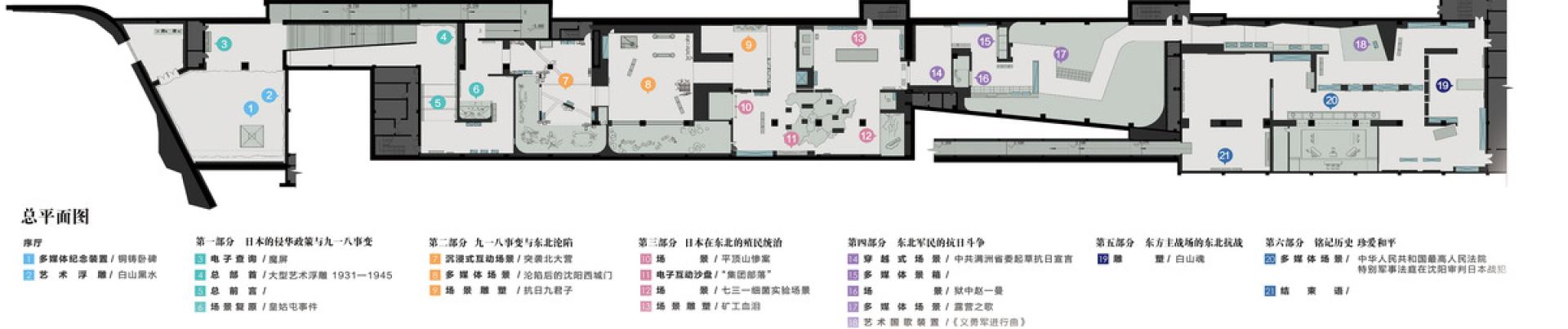
The Historical Exhibition of the September 18 Incident at the 9.18 Historical Museum in Shenyang renews a memorial exhibition whose design lineage began in 1993. The project makes historical evidence central to every decision: architecture, media and atmosphere serve the record rather than compete with it. Its aim is to preserve the solemn character embedded in public memory while creating a clearer relationship between historical records and contemporary visitors.
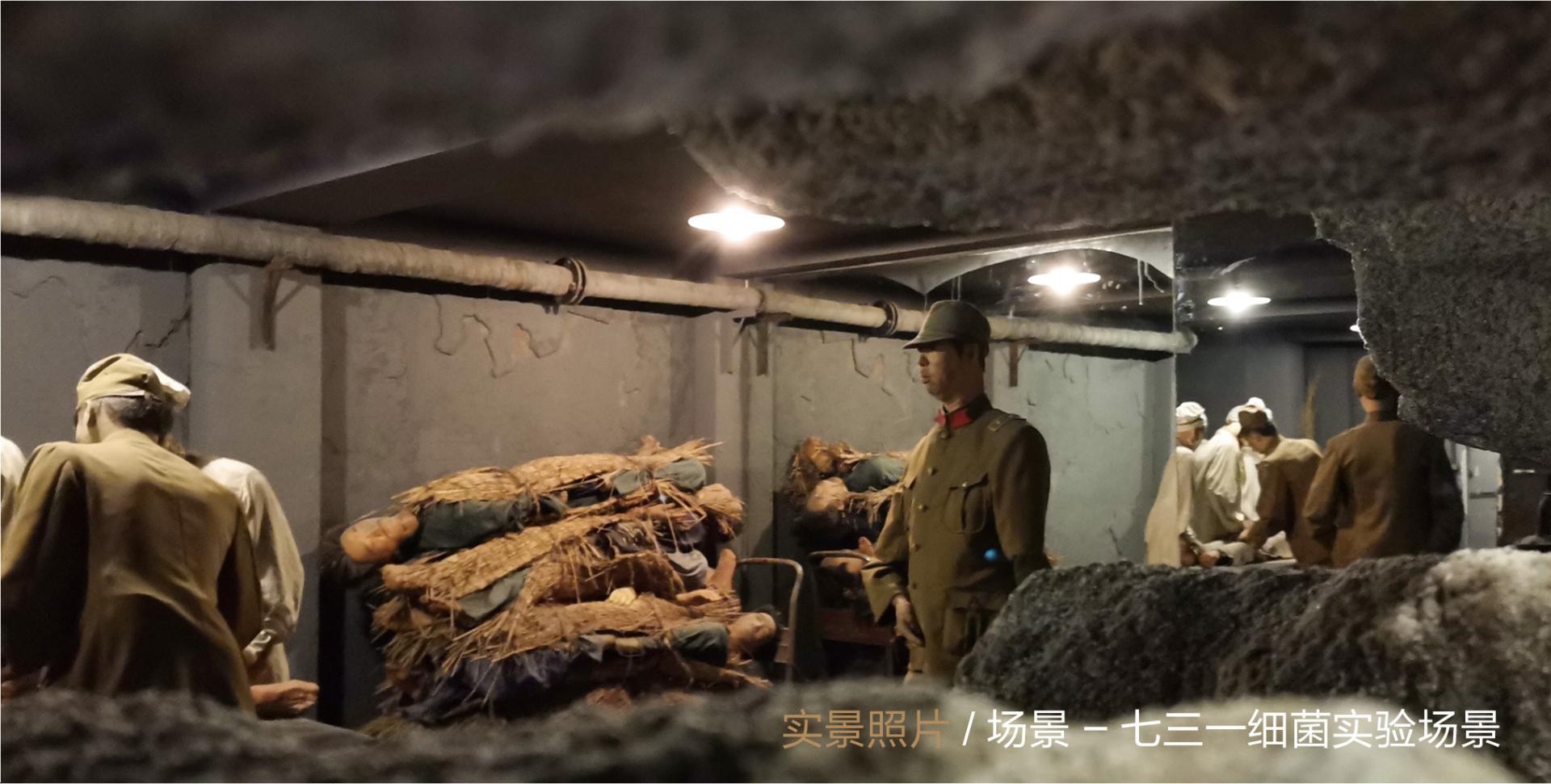
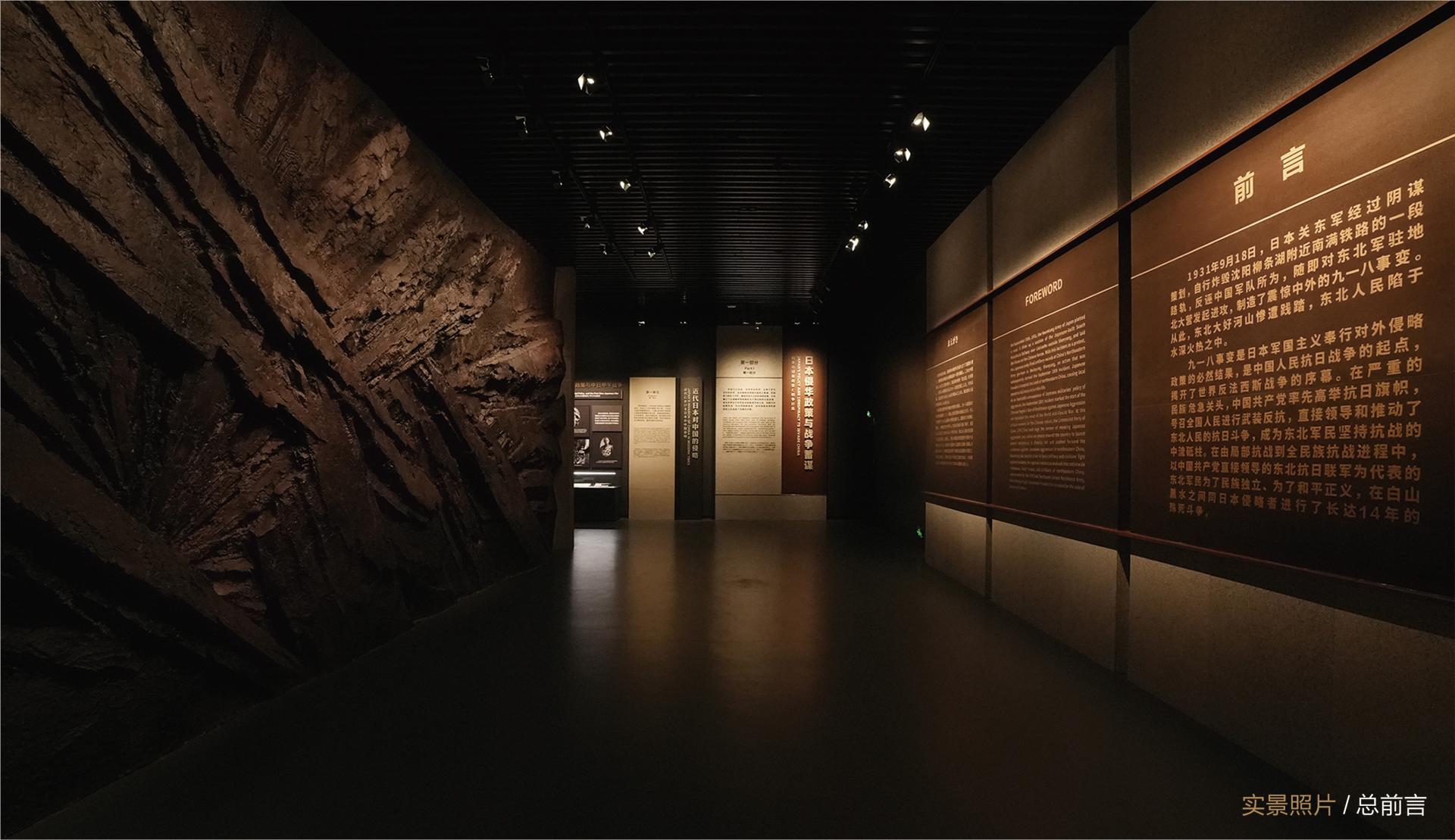
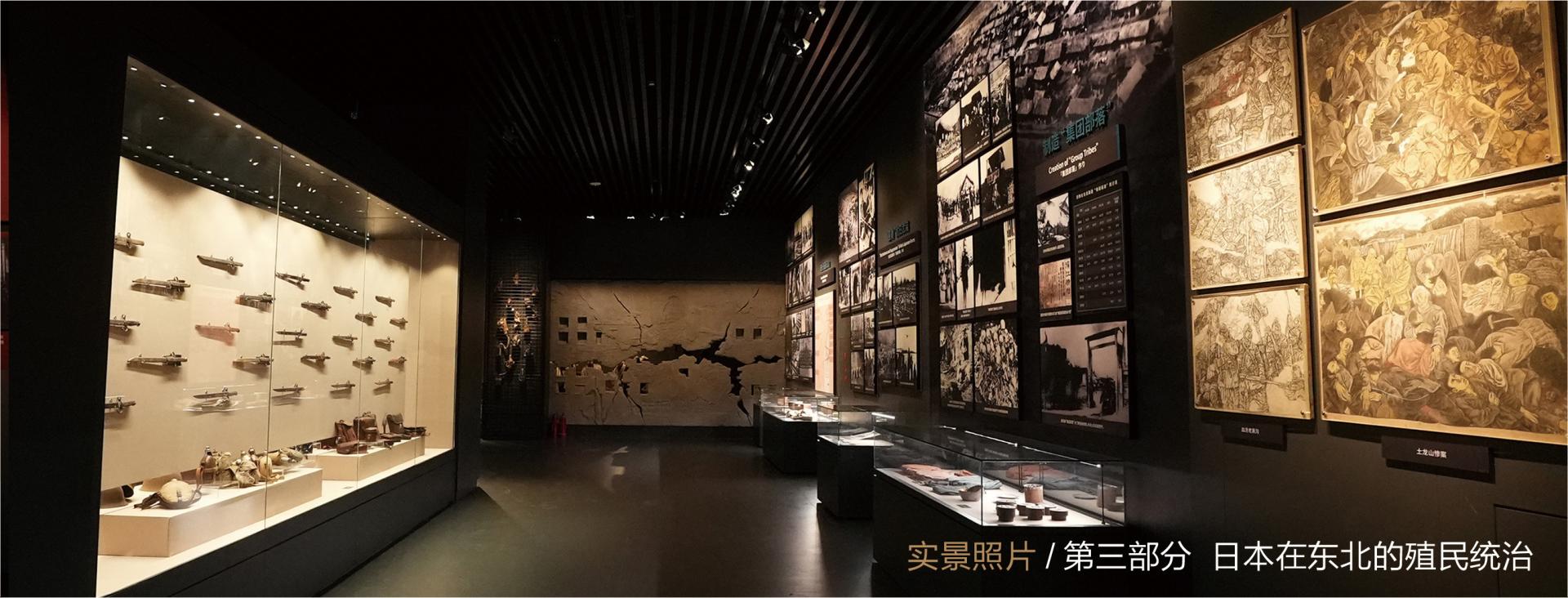
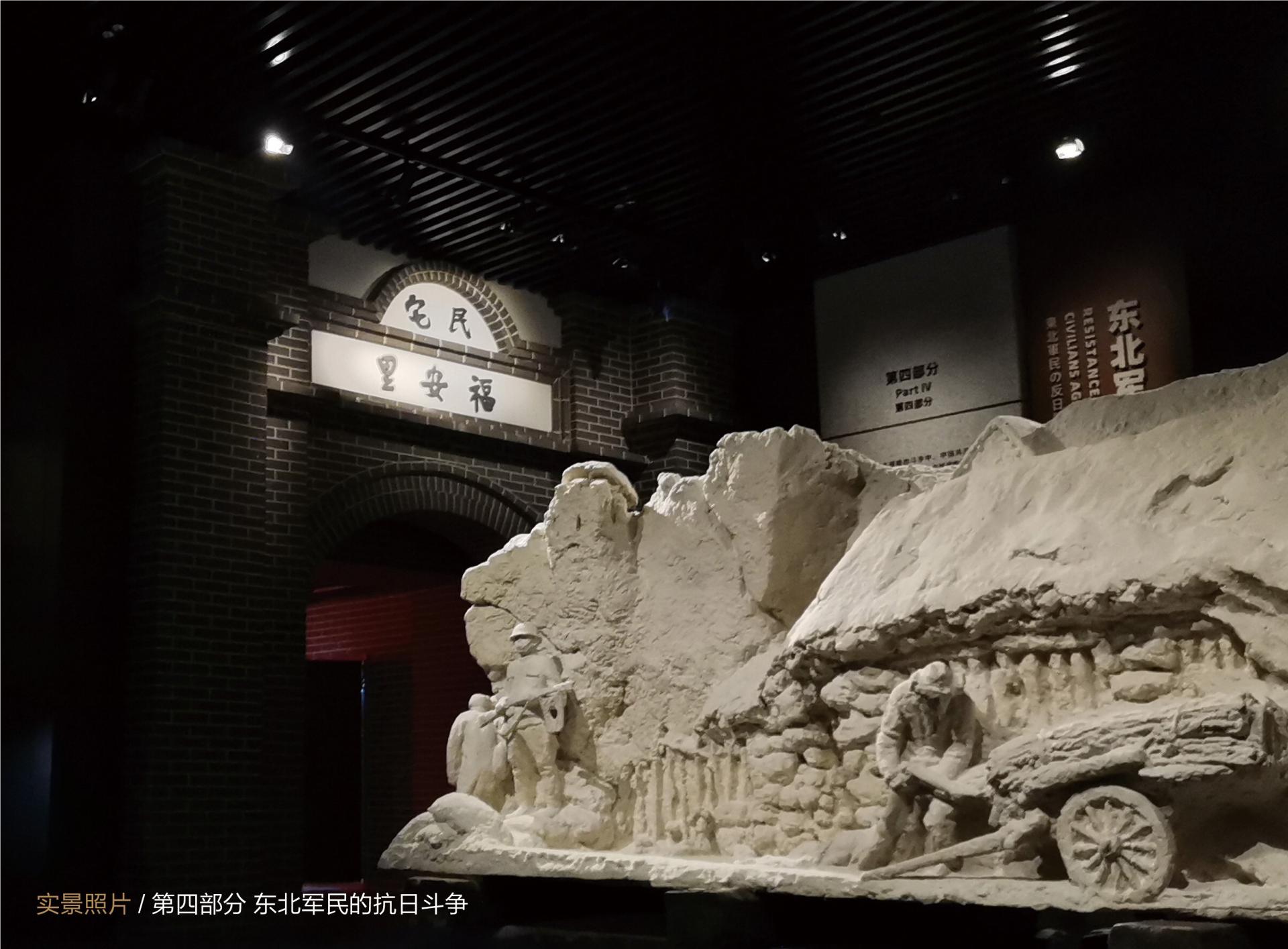
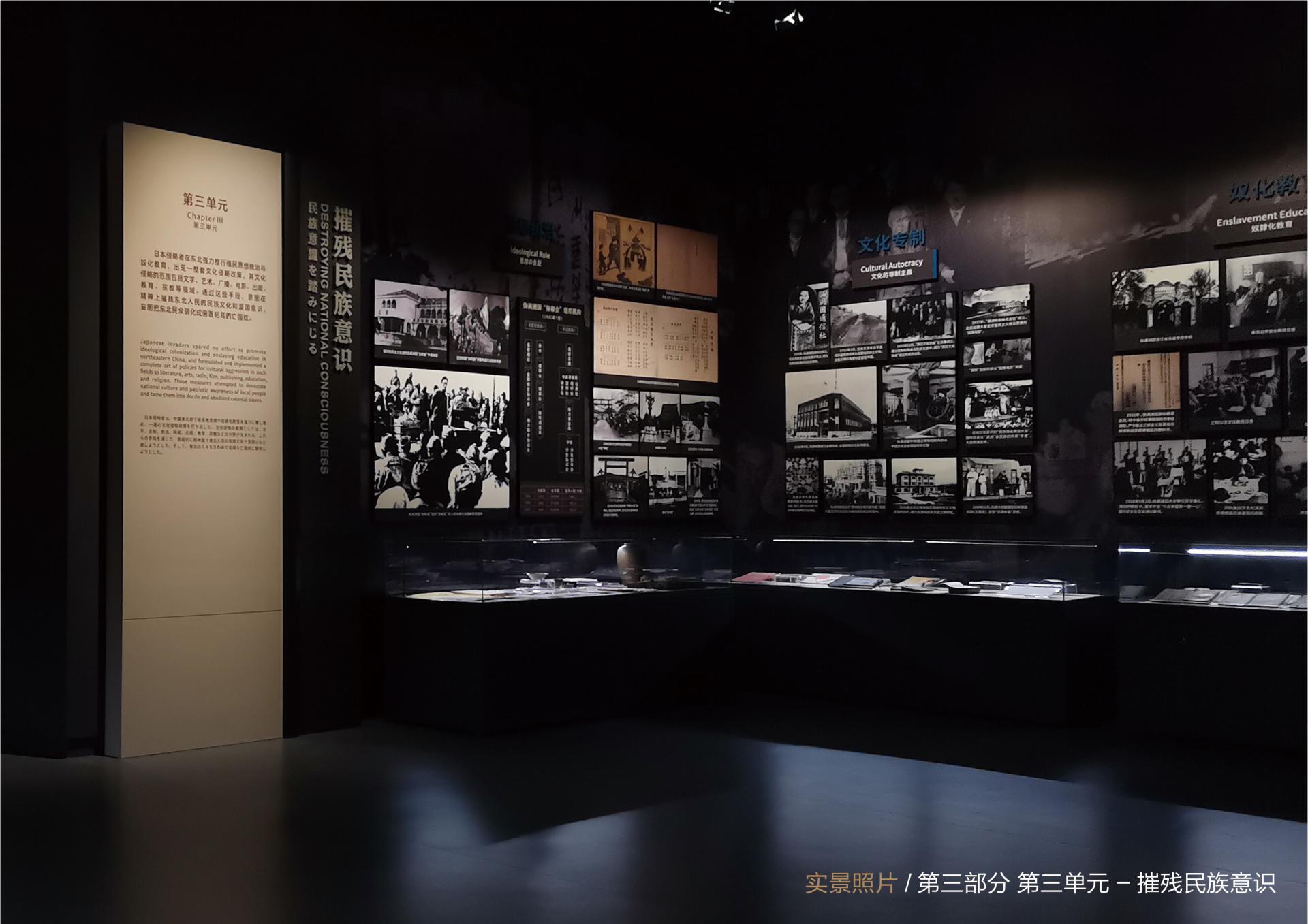
The exhibition is structured as a six-part journey, following a spatial sequence of descending into history and ascending toward victory. Visitors enter low-lit galleries where archives, photographs, artefacts, diagrams, reconstructed scenes and moving images form an interconnected field of testimony. Dark grey-brown surfaces, compressed spatial proportions and warm lighting convey the weight of invasion and suffering. The route gradually opens into brighter passages, where Chinese red marks resistance, victory and collective resilience. Colour, light, scale and movement guide emotion, but never replace the documentary record. Among the narratives is that of the Nine Gentlemen of the Anti-Japanese Resistance and their English-language dossier, TRUTH, extending remembrance from armed resistance to intellectual courage.
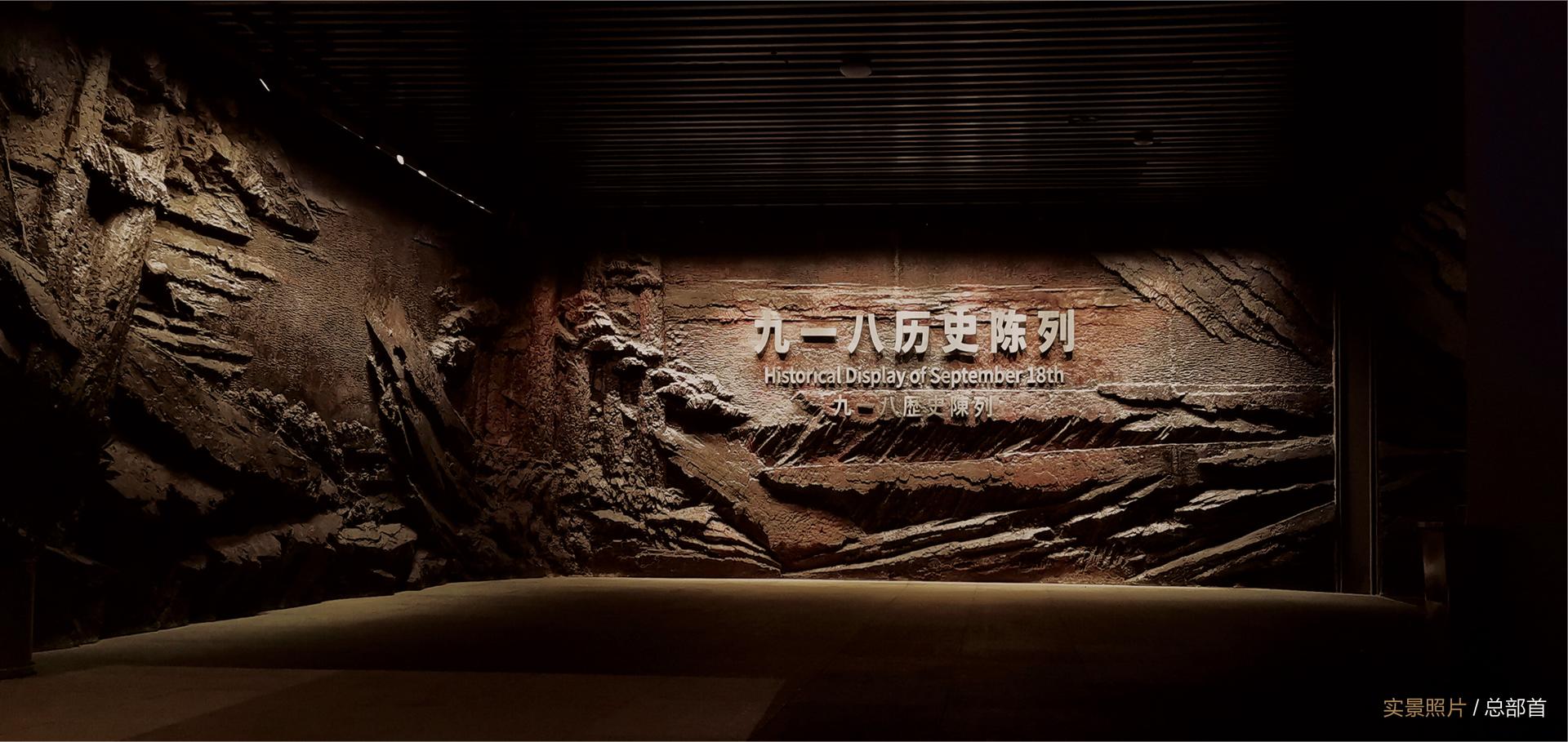
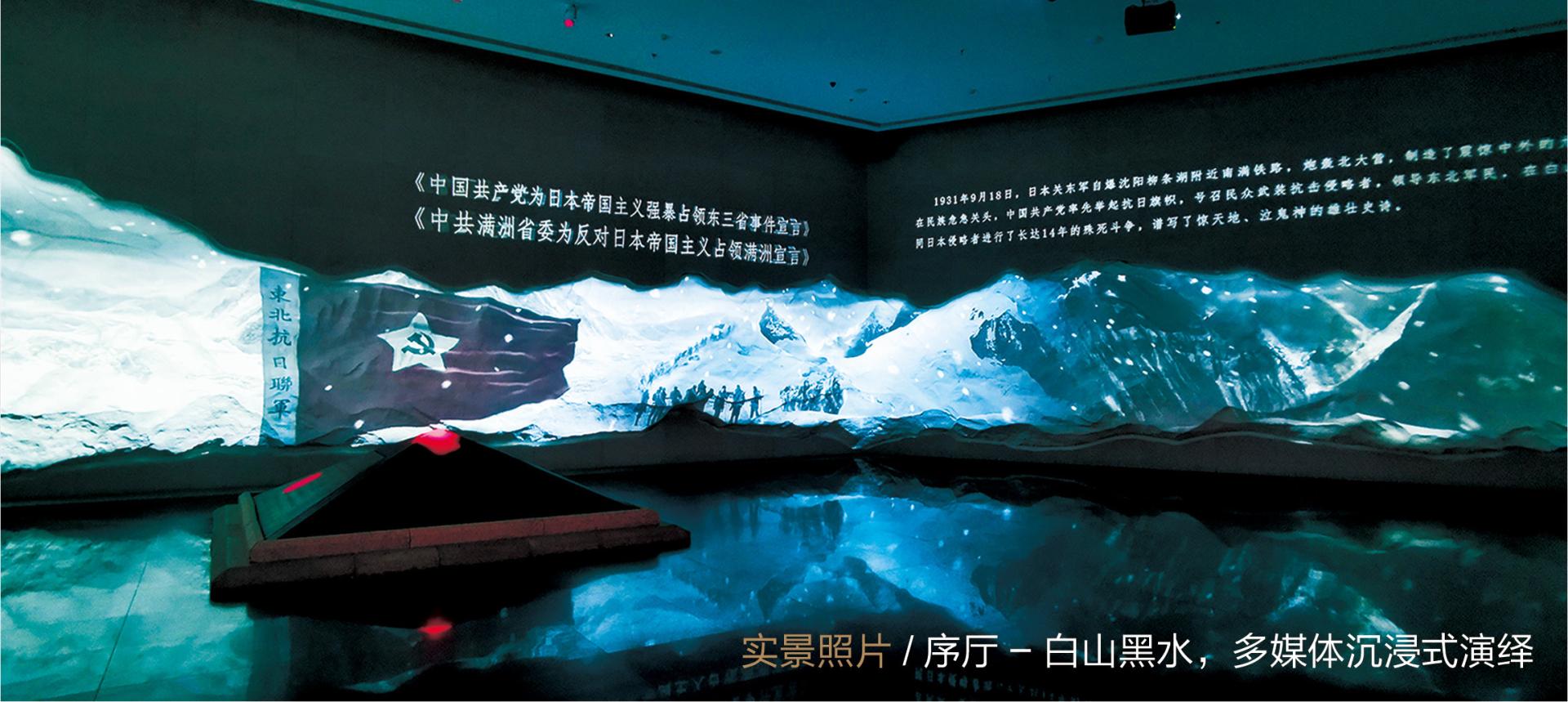
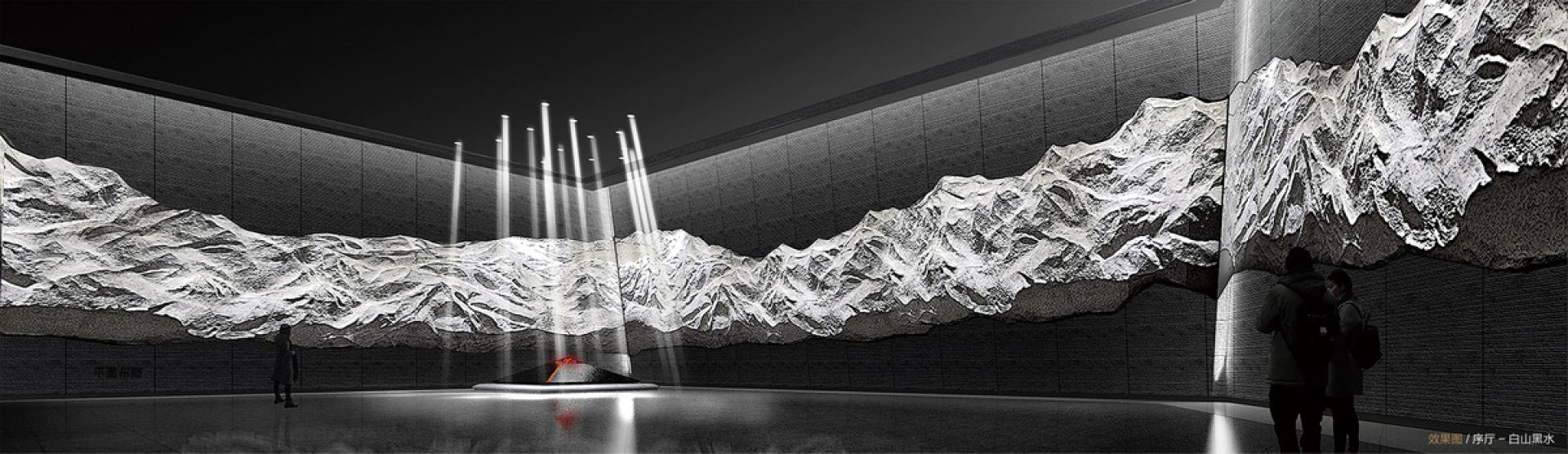
The approximately 400-square-metre Prologue Hall is the spiritual centre of the experience. Its White Mountains and Black Waters relief and bronze reclining stele are retained within an almost text- and object-free space. Fourteen vertical beams of light symbolise fourteen years of resistance, while nine projectors recall the date of September 18. About every five minutes, a sixty-second, 360-degree projection sequence introduces historical context across the relief before fading away and returning the hall to silence. More than ten projection-mapping tests calibrated image boundaries, brightness and colour to the relief's texture and depth, allowing digital information to appear without obscuring the artwork.
Through this restrained dialogue between evidence, space and emotion, the museum confronts national suffering without turning remembrance into spectacle. It honours the Chinese people's resistance, connects individual testimony with shared memory, and guides visitors from understanding and empathy towards responsibility. Ultimately, the design affirms that a memorial should not speak in place of history. It should make history legible, preserve dignity, and transform remembrance into a commitment to peace.
Credits

Entrant Company
Luluvia LLC
Category
Product Design - New Category: Pet Apparel

Entrant Company
Chongqing Qing Er Technology Company Limited
Category
Product Design - Outdoor & Exercise Equipment
Entrant Company
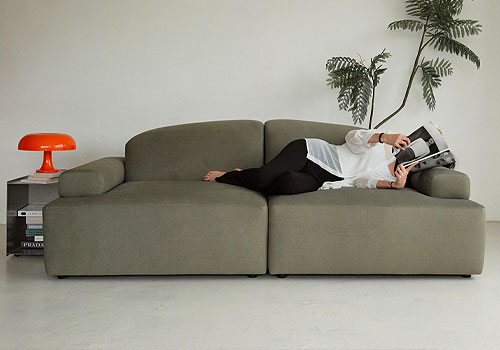
Lazzzy Today
Category
Furniture Design - Home
Entrant Company
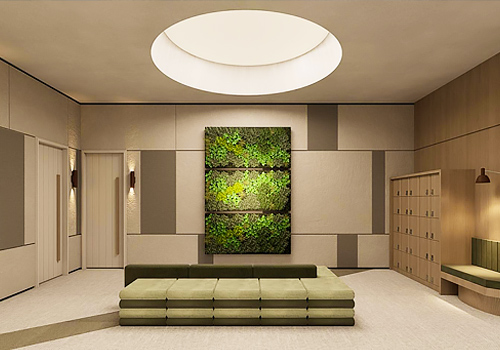
Jian Xin Interior Design
Category
Interior Design - Sports / Entertainment