
A Century of Imagined Places
Entrant Company
Cultural Affairs Bureau of Hsinchu City
Category
Conceptual Design - Exhibition & Events
Client's Name
Country / Region
Taiwan
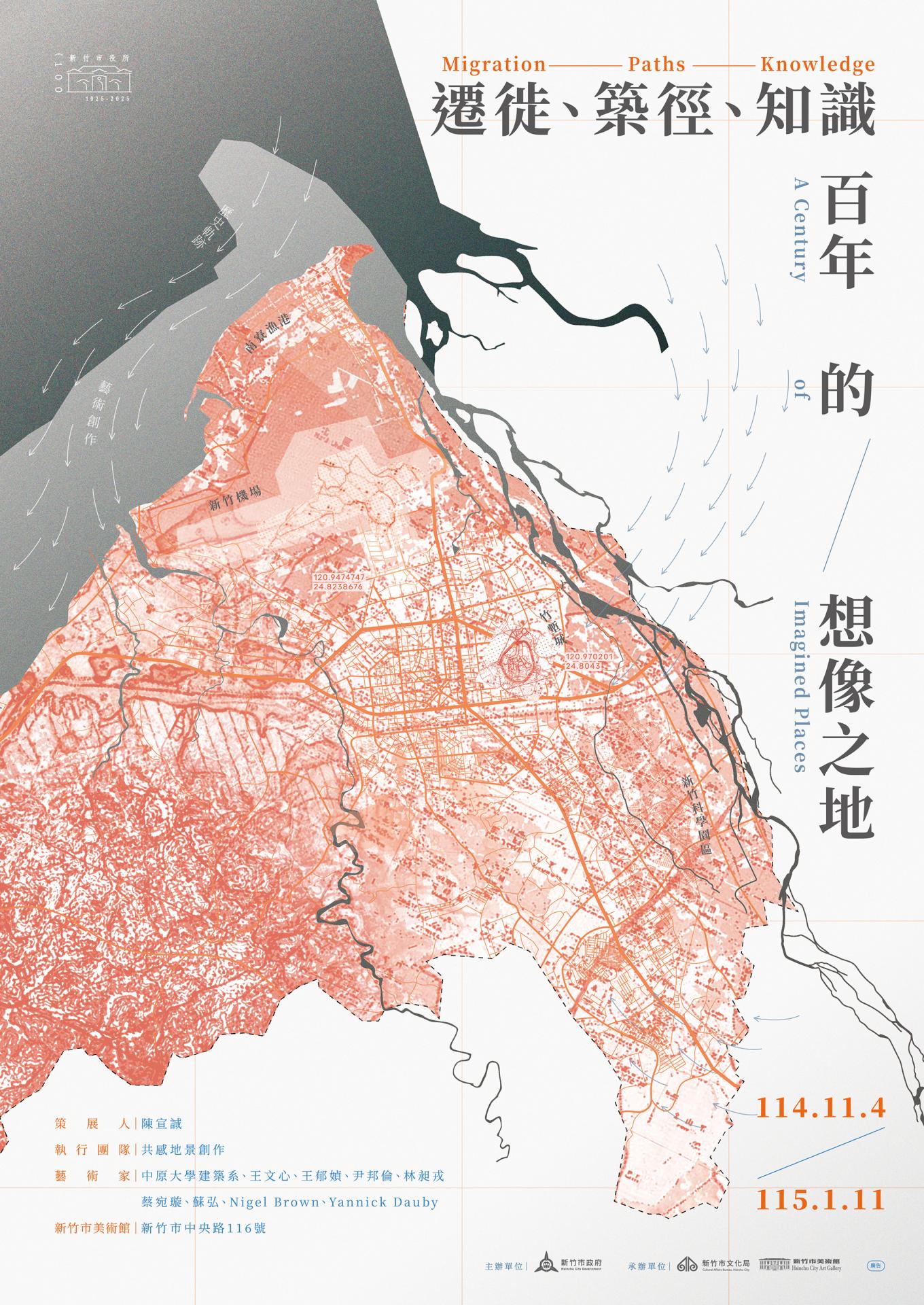
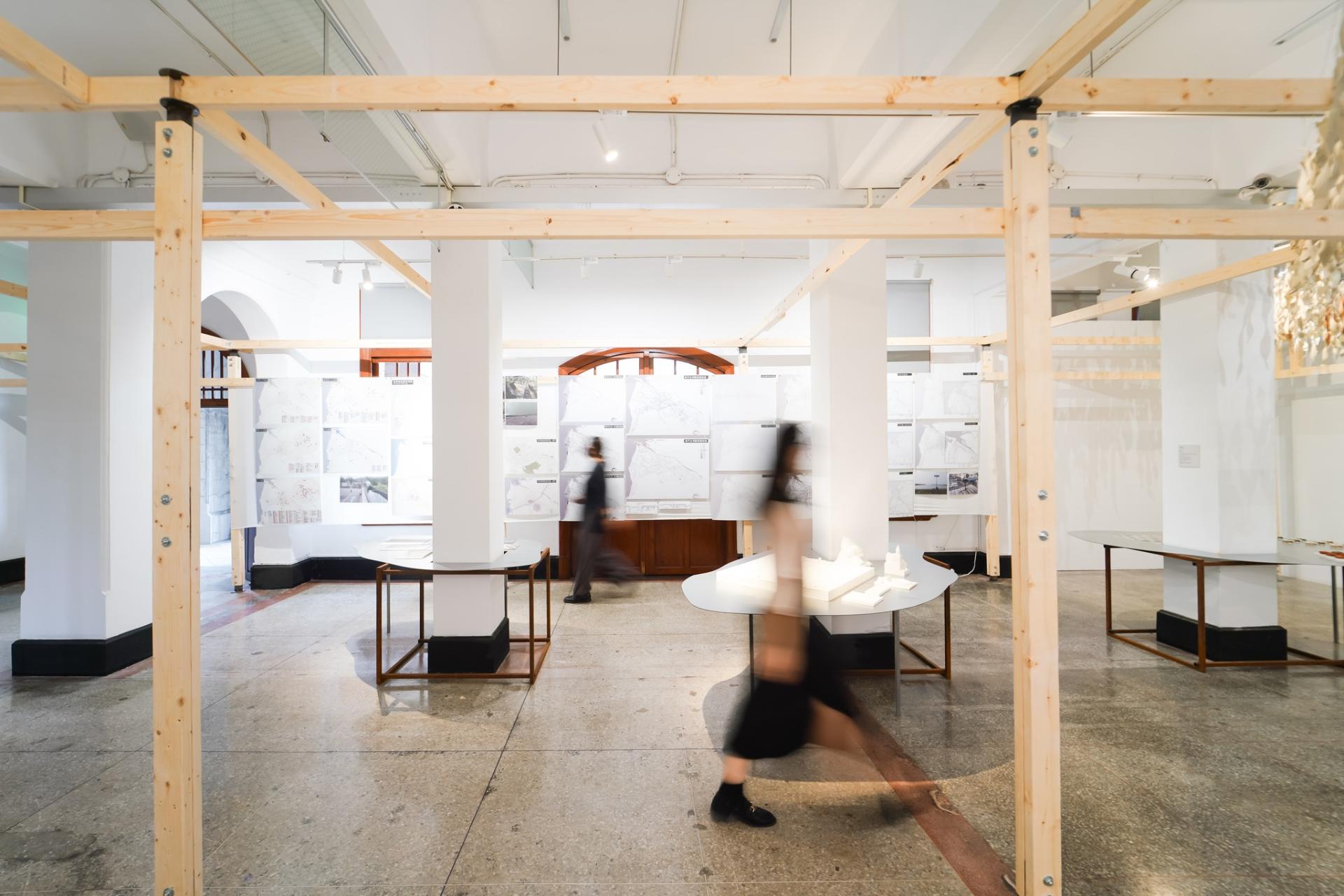
This exhibition takes the century-long history of the Hsinchu City Art Museum—formerly the Hsinchu City Hall—as its conceptual axis, reactivating a historic monument as a dynamic site of artistic, cultural, and ecological inquiry. Rather than treating heritage as a static relic, the curatorial framework positions the museum as an evolving interface where history, environment, and contemporary art intersect. Through critical reflection and interdisciplinary collaboration, the project redefines the role of a monument-based museum within the shifting narratives of urban development.
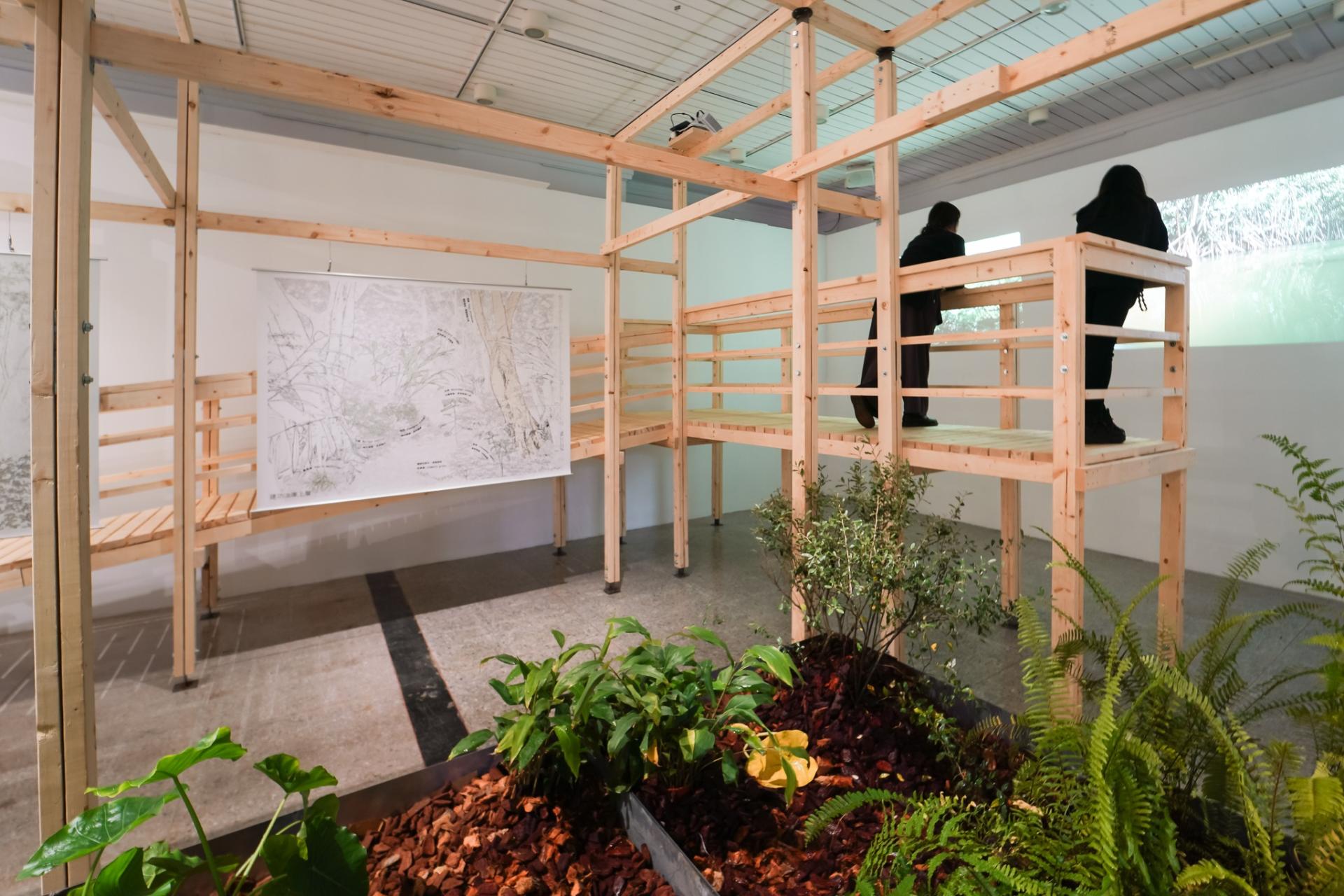
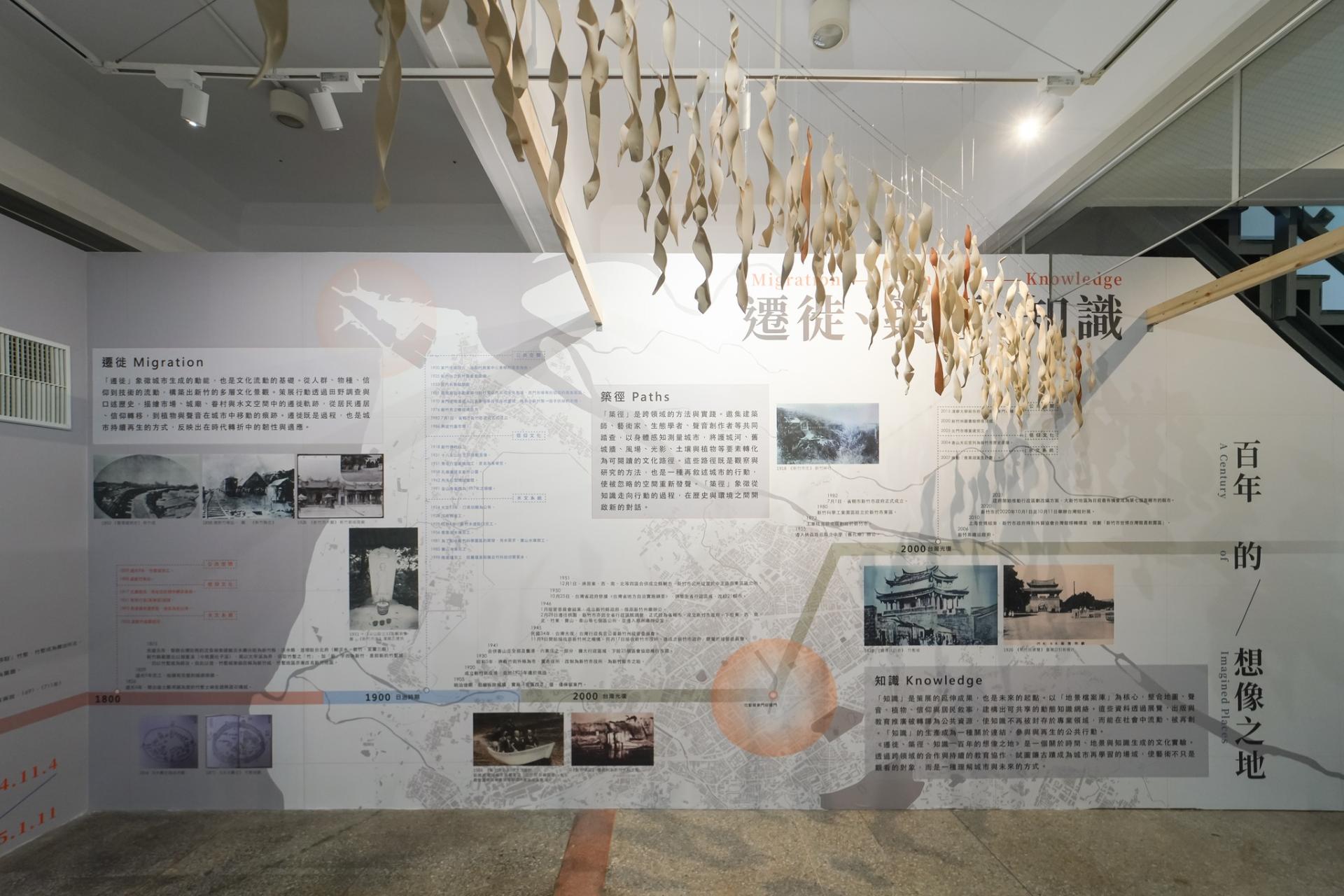
Structured around three core concepts—Migration, Paths, and Knowledge—the exhibition constructs a multilayered methodology that integrates field research, landscape mapping, sound and botanical archives, oral histories, and educational collaboration. These approaches reveal how Hsinchu has been continuously shaped by movements of people, species, technologies, and beliefs. Migration is understood not only as human relocation, but as a broader ecological and cultural process that inscribes rhythms into everyday urban life.
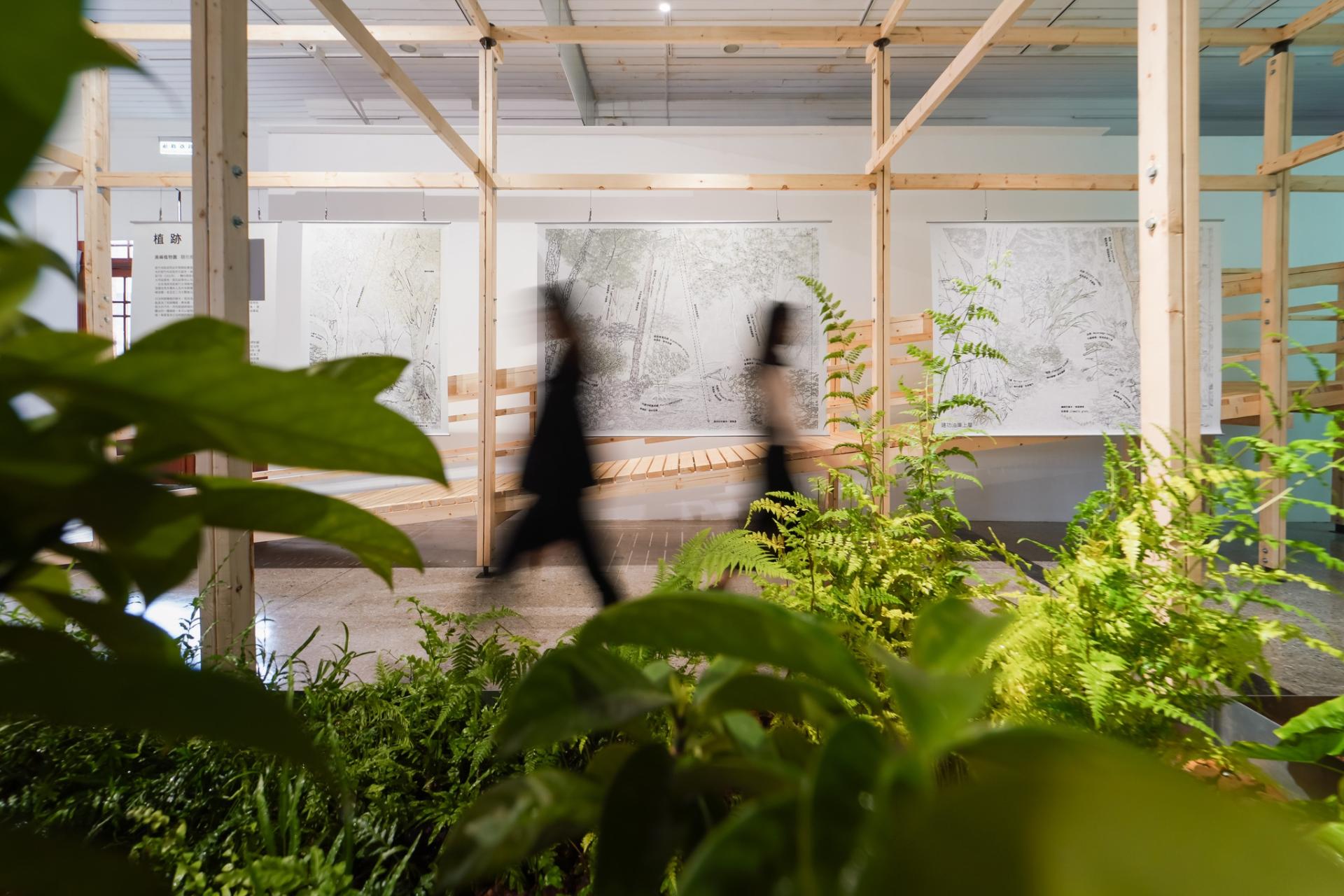
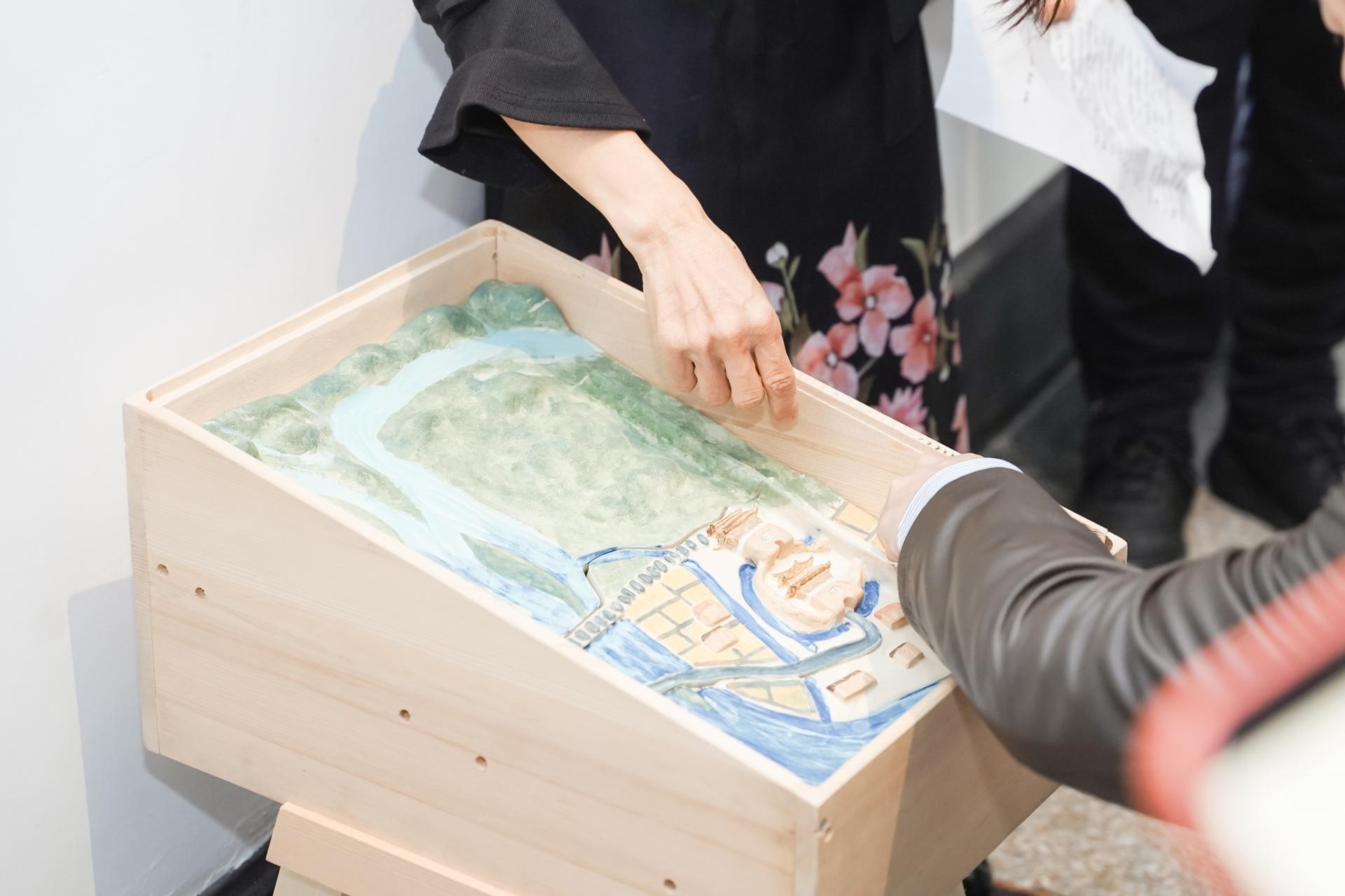
“Paths” operates both as method and metaphor, tracing connections across disciplines and sensory experiences. Artists, architects, and researchers collaboratively traverse urban and natural terrains, measuring intangible distances between perception and knowledge. Through tactile documentation, environmental sensing, and spatial reinterpretation, overlooked urban fragments are reactivated, allowing the city’s hidden textures and narratives to emerge.
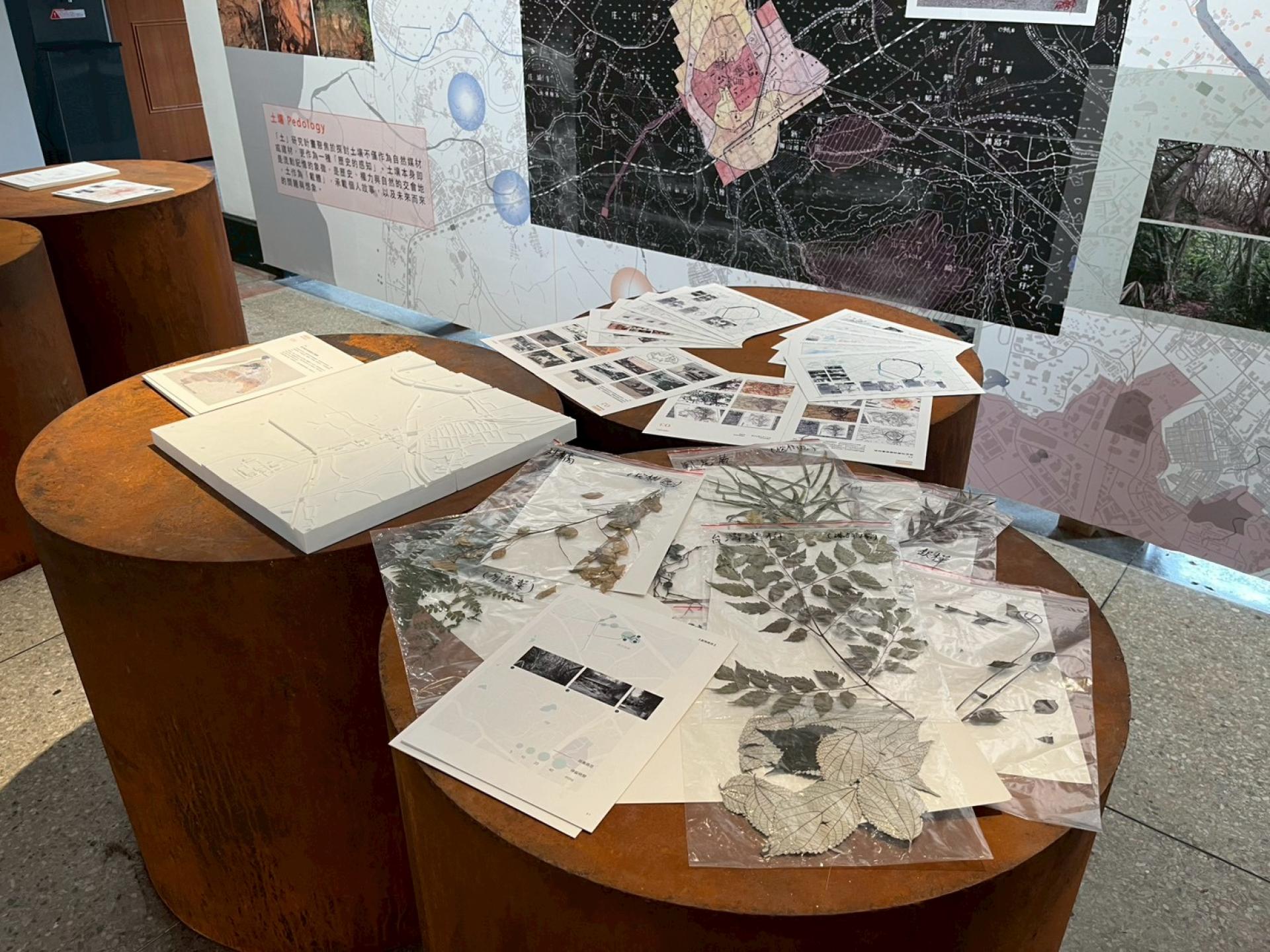
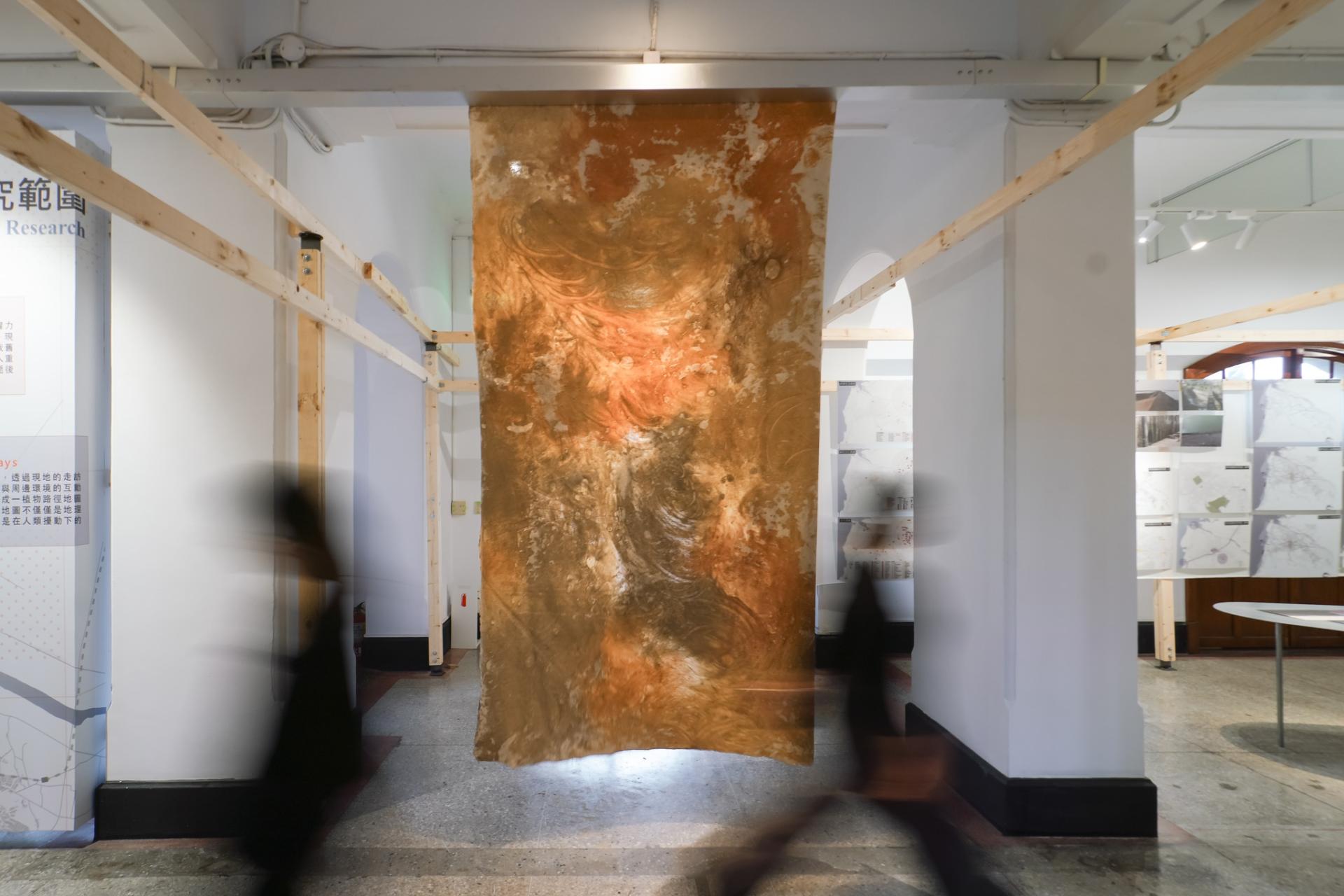
“Knowledge” emphasizes participation and co-creation, transforming the exhibition into an open, evolving archive. By assembling a “landscape database” encompassing maps, soil samples, plant records, sounds, and local narratives, the project challenges conventional modes of preservation. Knowledge becomes fluid, collective, and accessible—circulating between exhibition, publication, and pedagogy.
Foregrounding environmental transformation over the past century—from river course shifts to coastline recession and industrial land use—the exhibition frames art as a form of action. It invites audiences to reconsider the entangled relationships between nature, urbanization, and identity. Ultimately, the project proposes the museum not as a container of history, but as an active agent that mediates memory, fosters dialogue, and inspires new imaginaries for the future city.

Credits
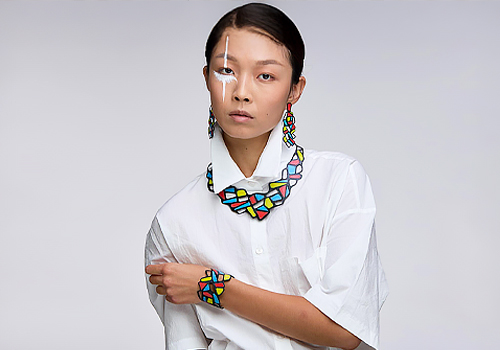
Entrant Company
3DSEASON
Category
Product Design - Unexpected Design
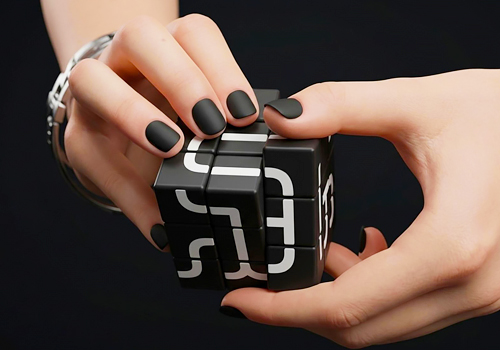
Entrant Company
N/A
Category
Product Design - Baby, Kids & Children Products
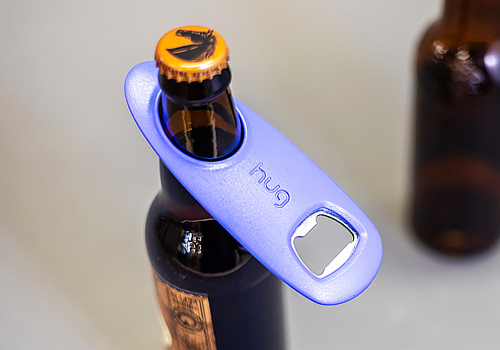
Entrant Company
University of Notre Dame
Category
Product Design - Kitchen Accessories / Appliances
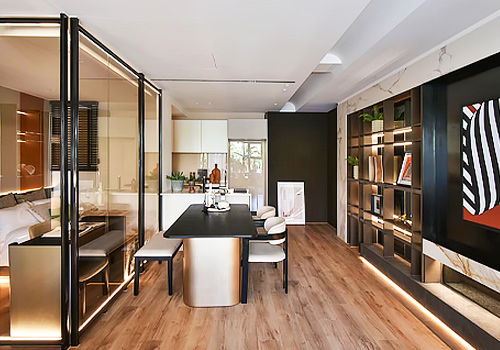
Entrant Company
Mooooi Studio
Category
Interior Design - Living Spaces