
werksviertel munich
Entrant Company
steidle architekten
Category
Architectural Design - Urban Design
Client's Name
OTEC GmbHCo.KG (leading institution)
Country / Region
Germany
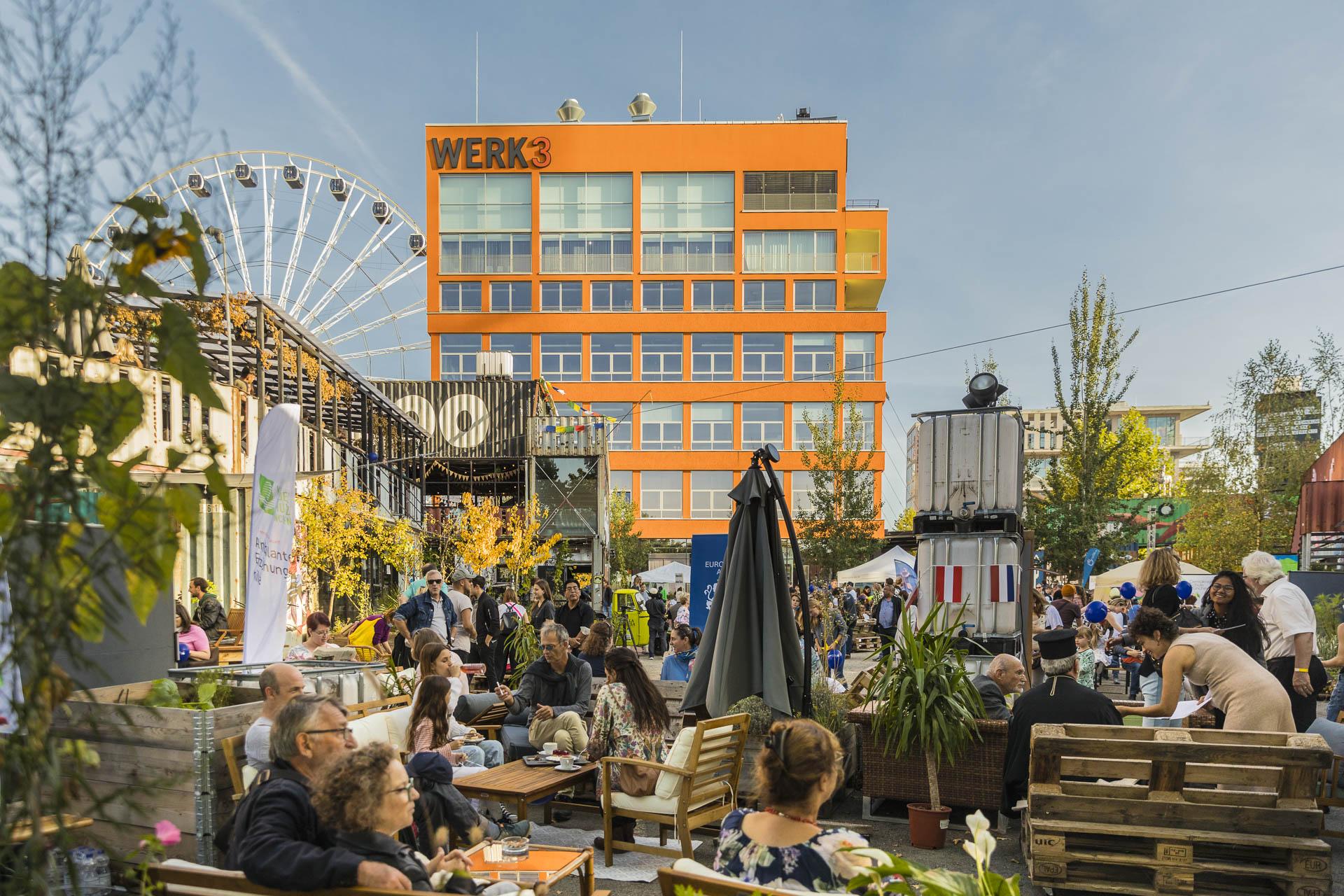
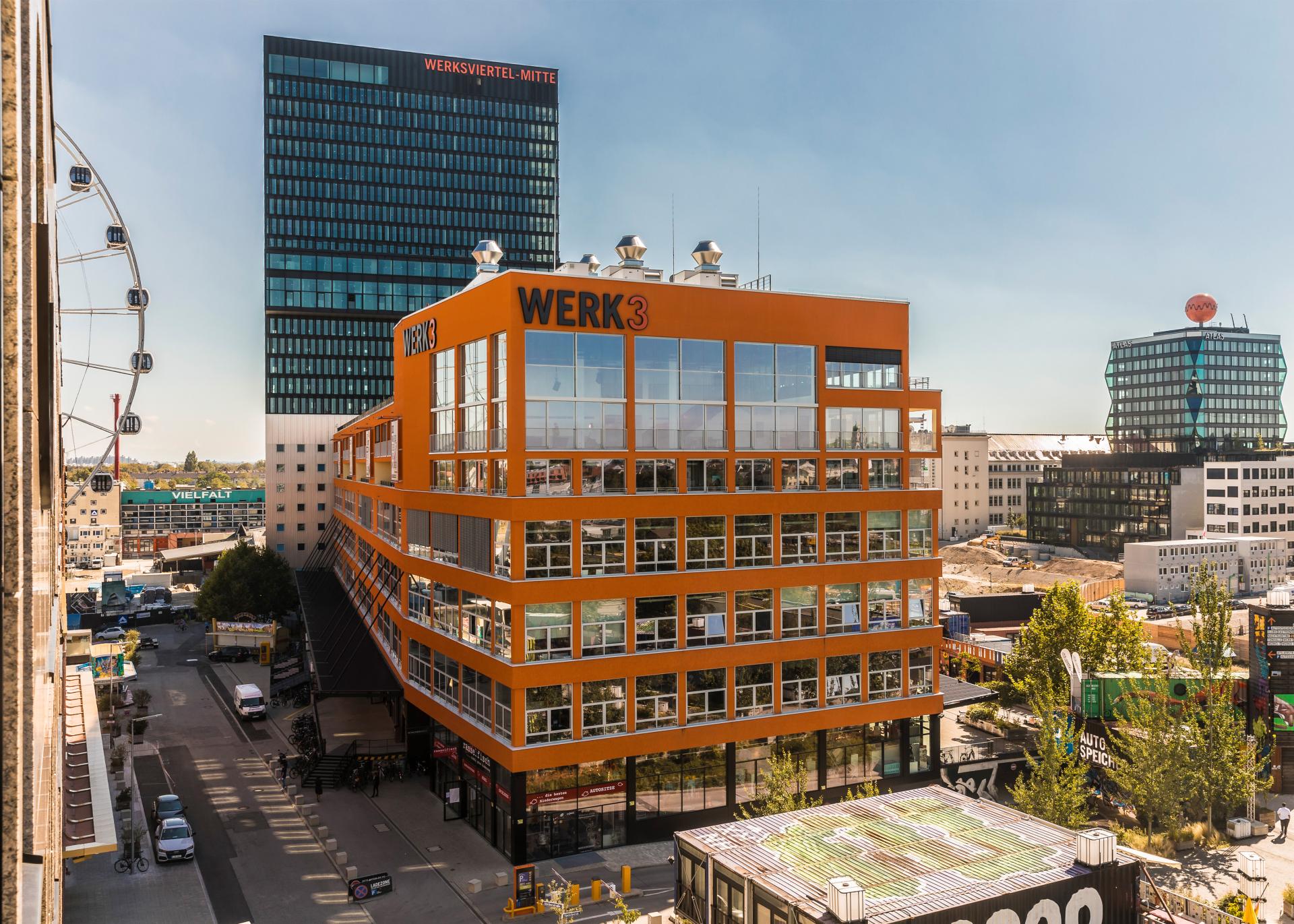
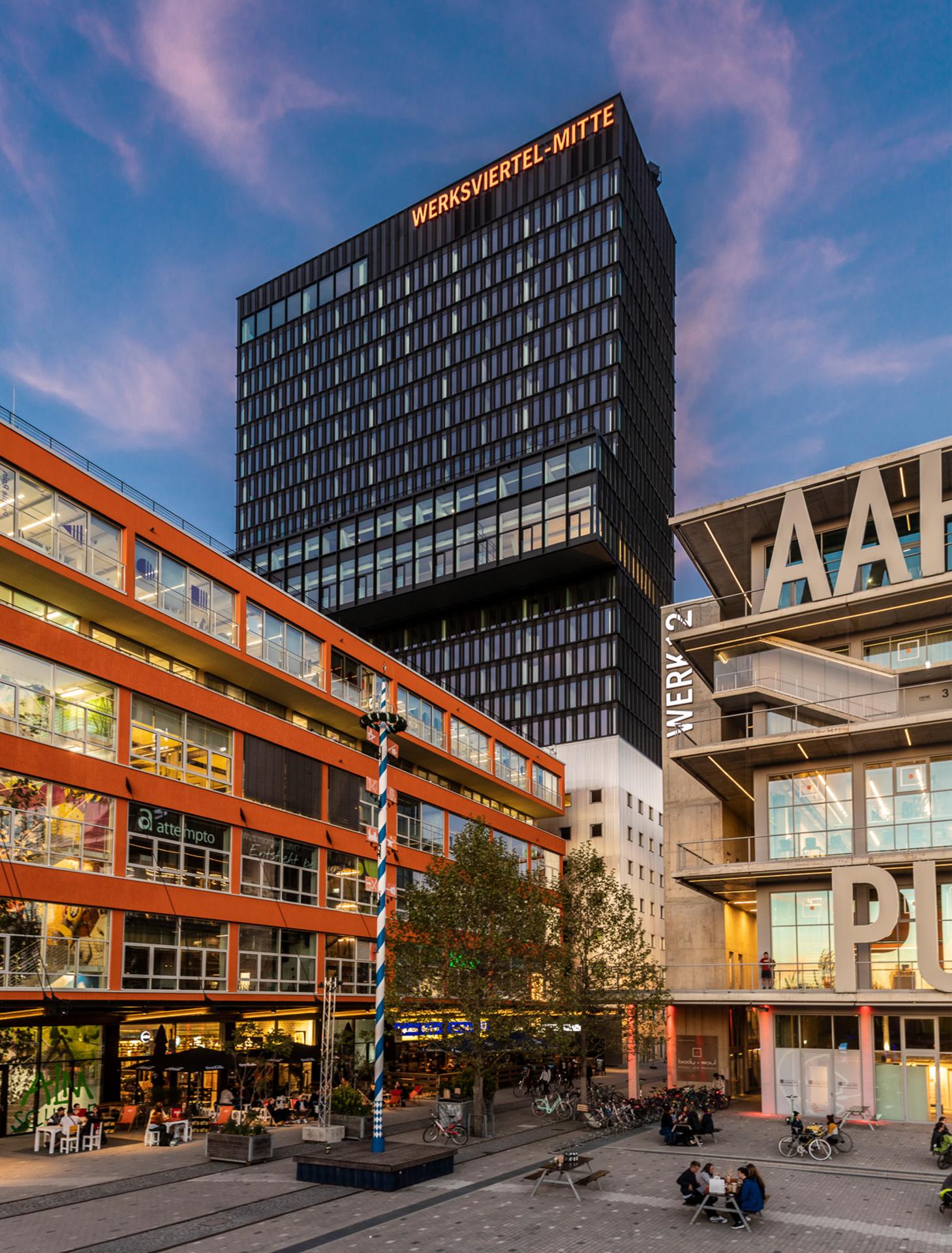
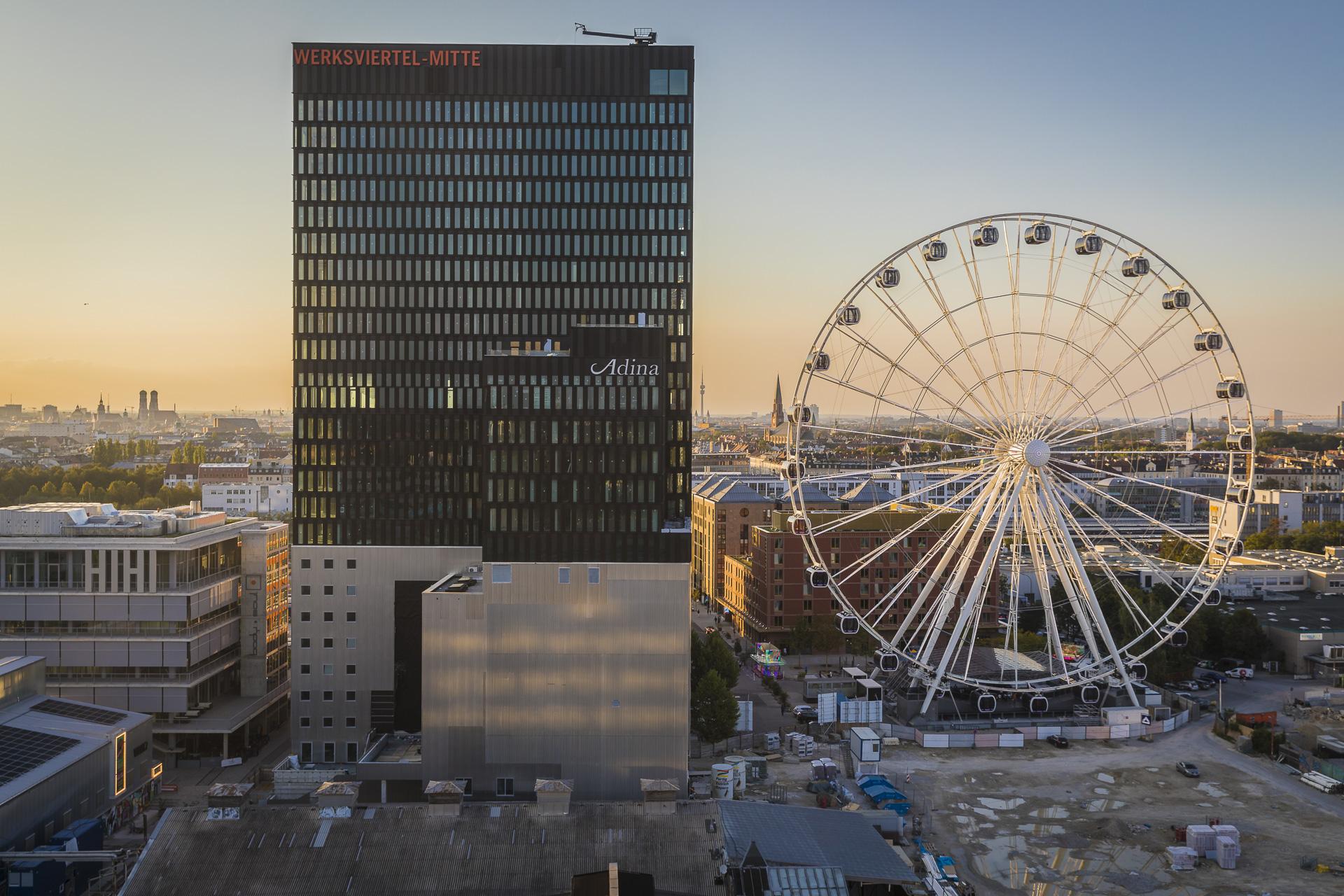
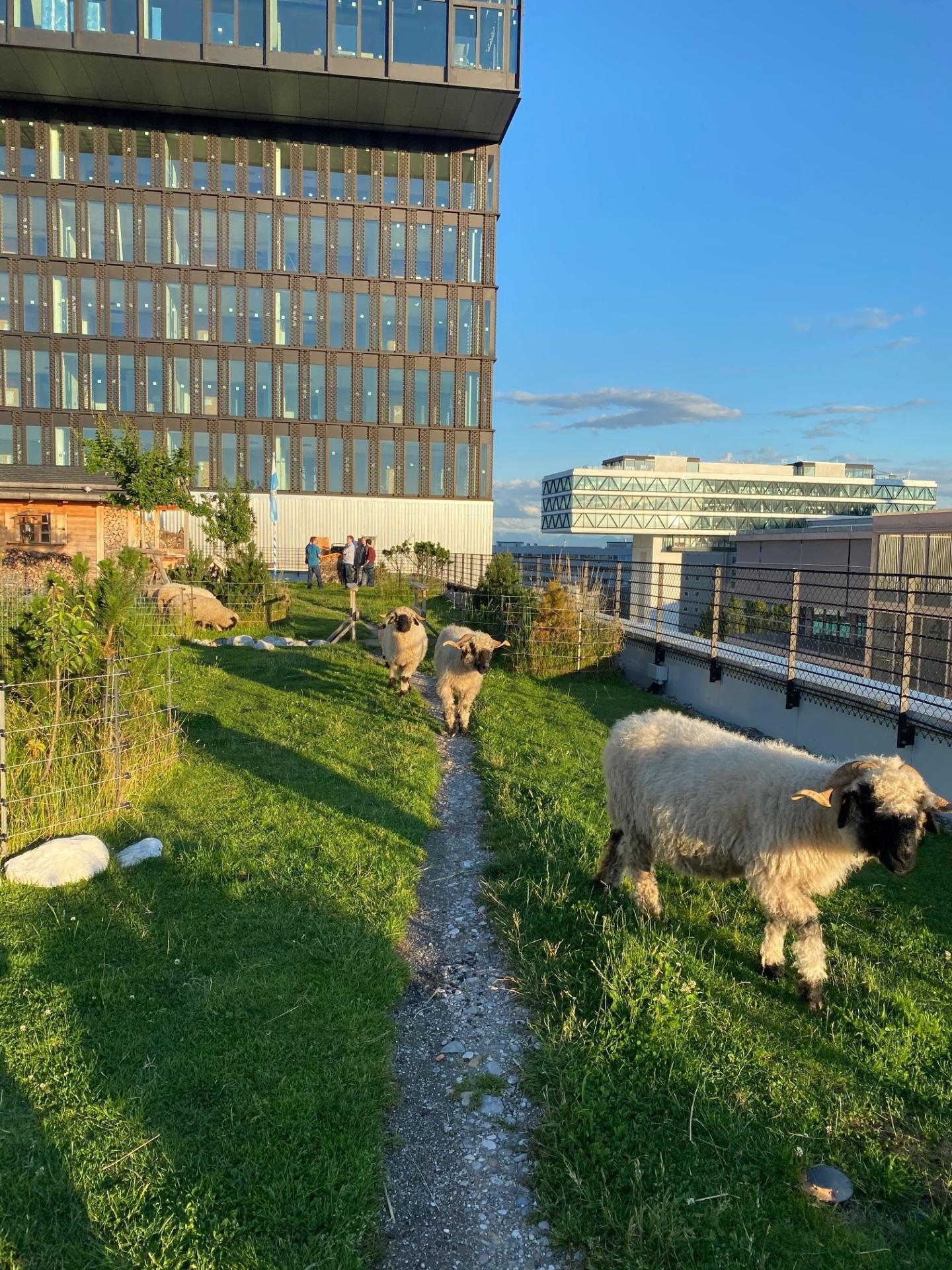
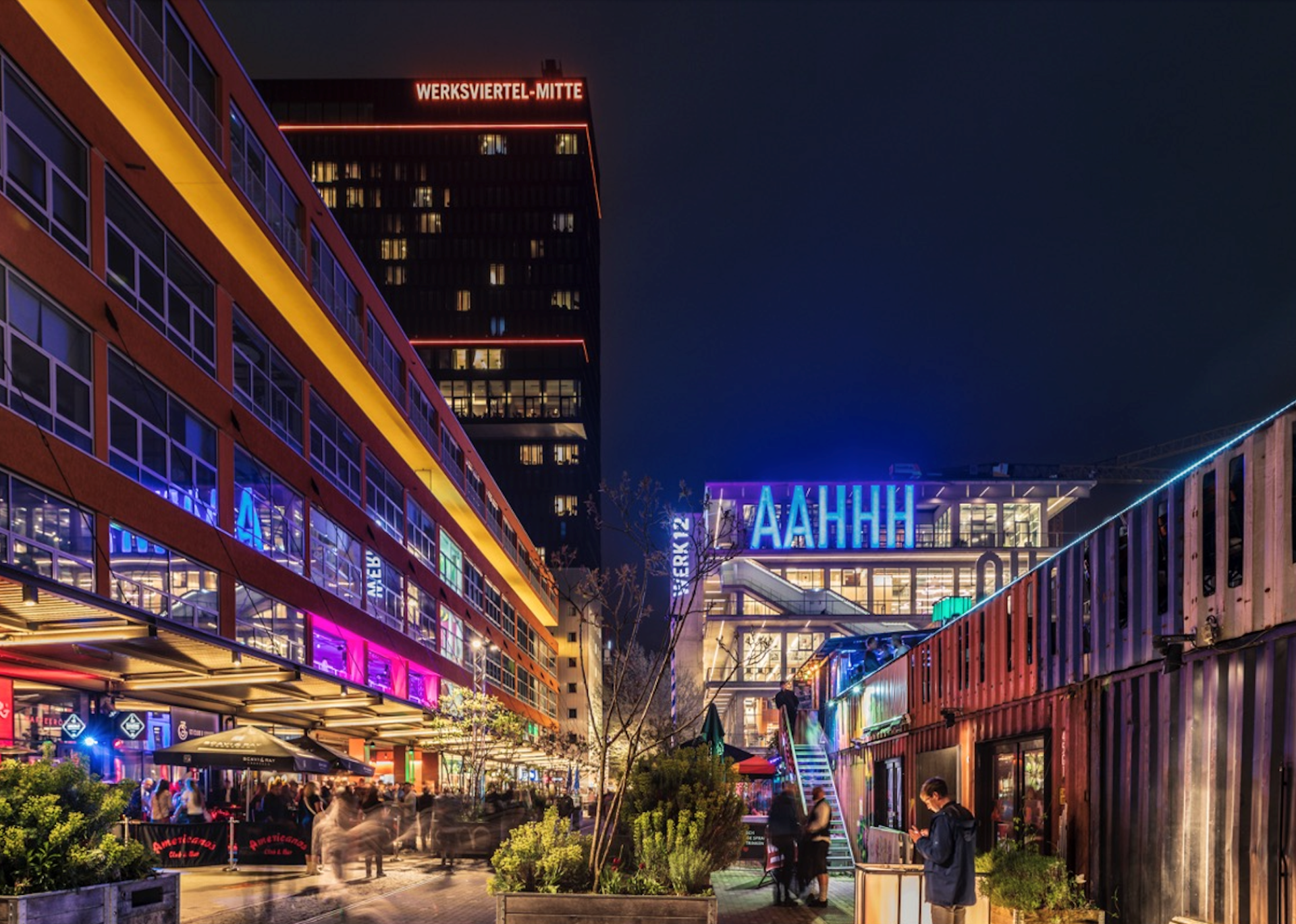
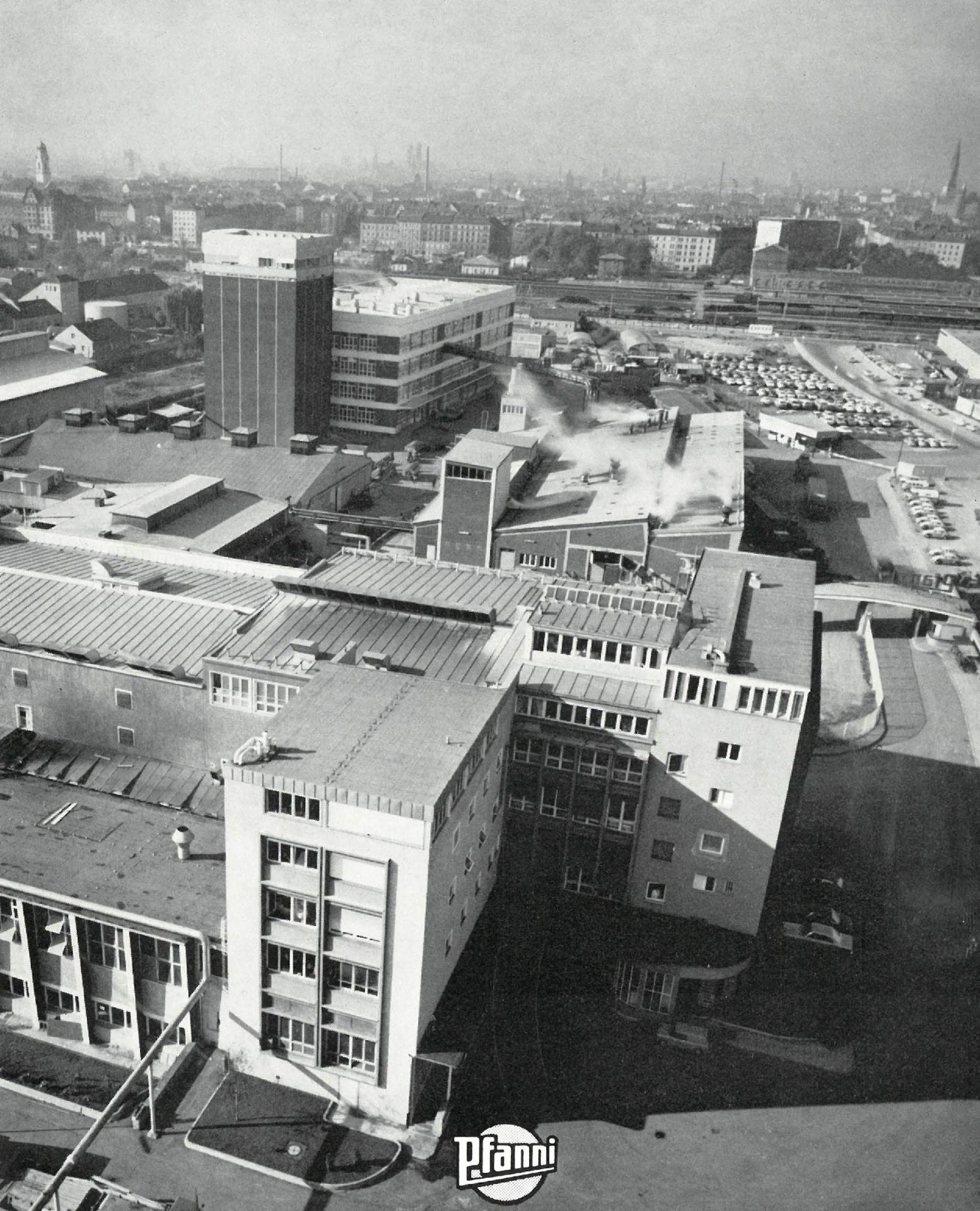
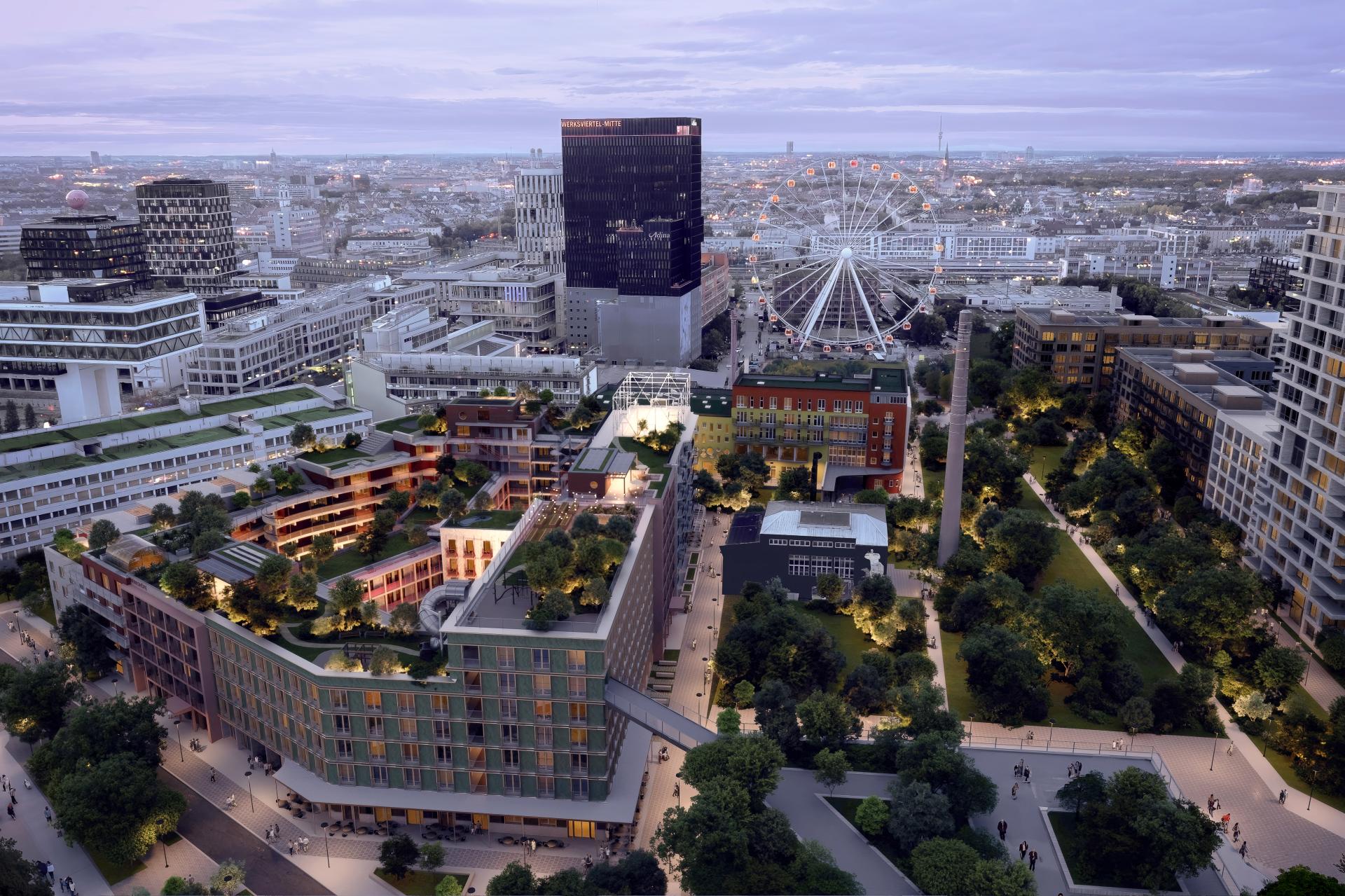
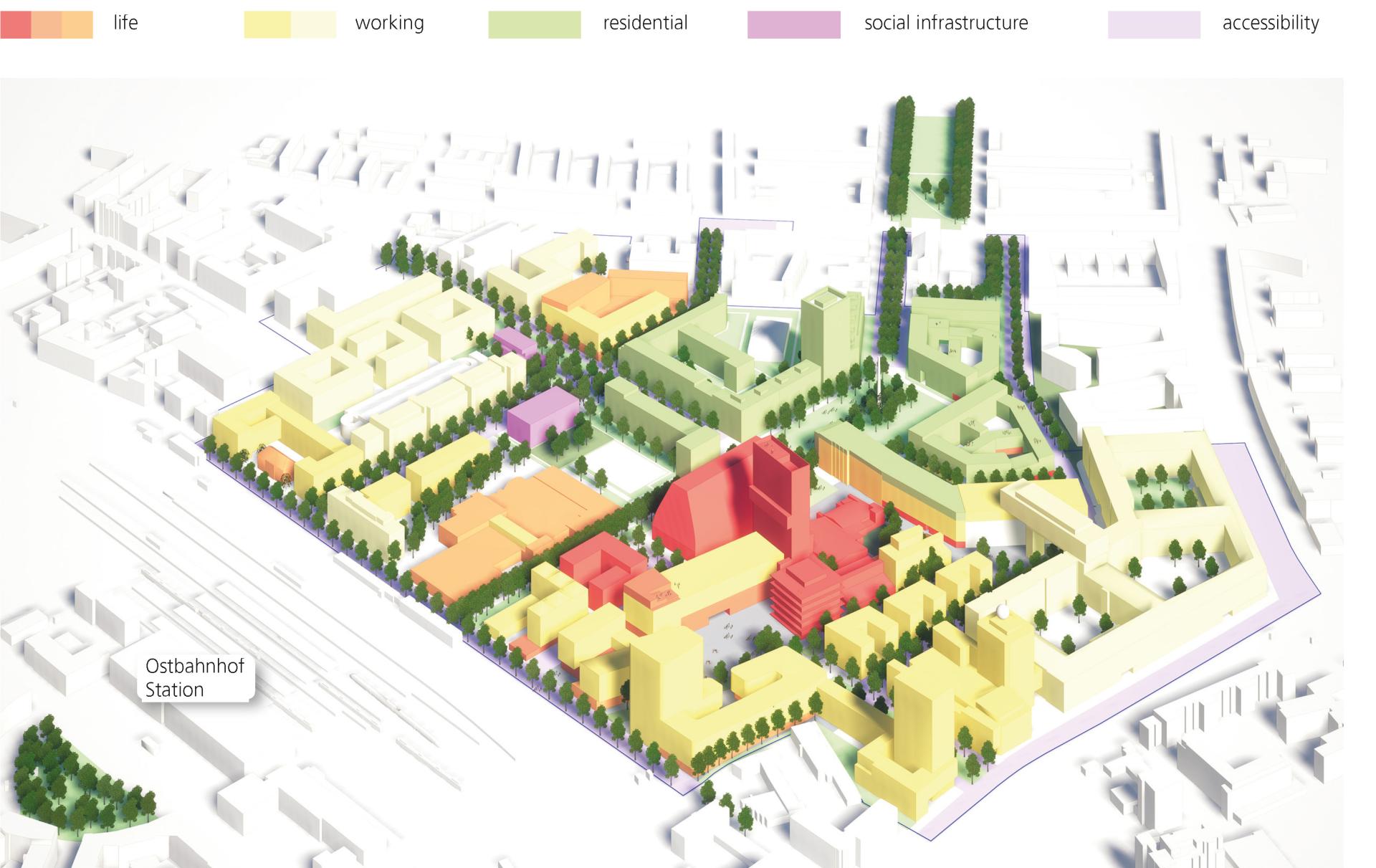
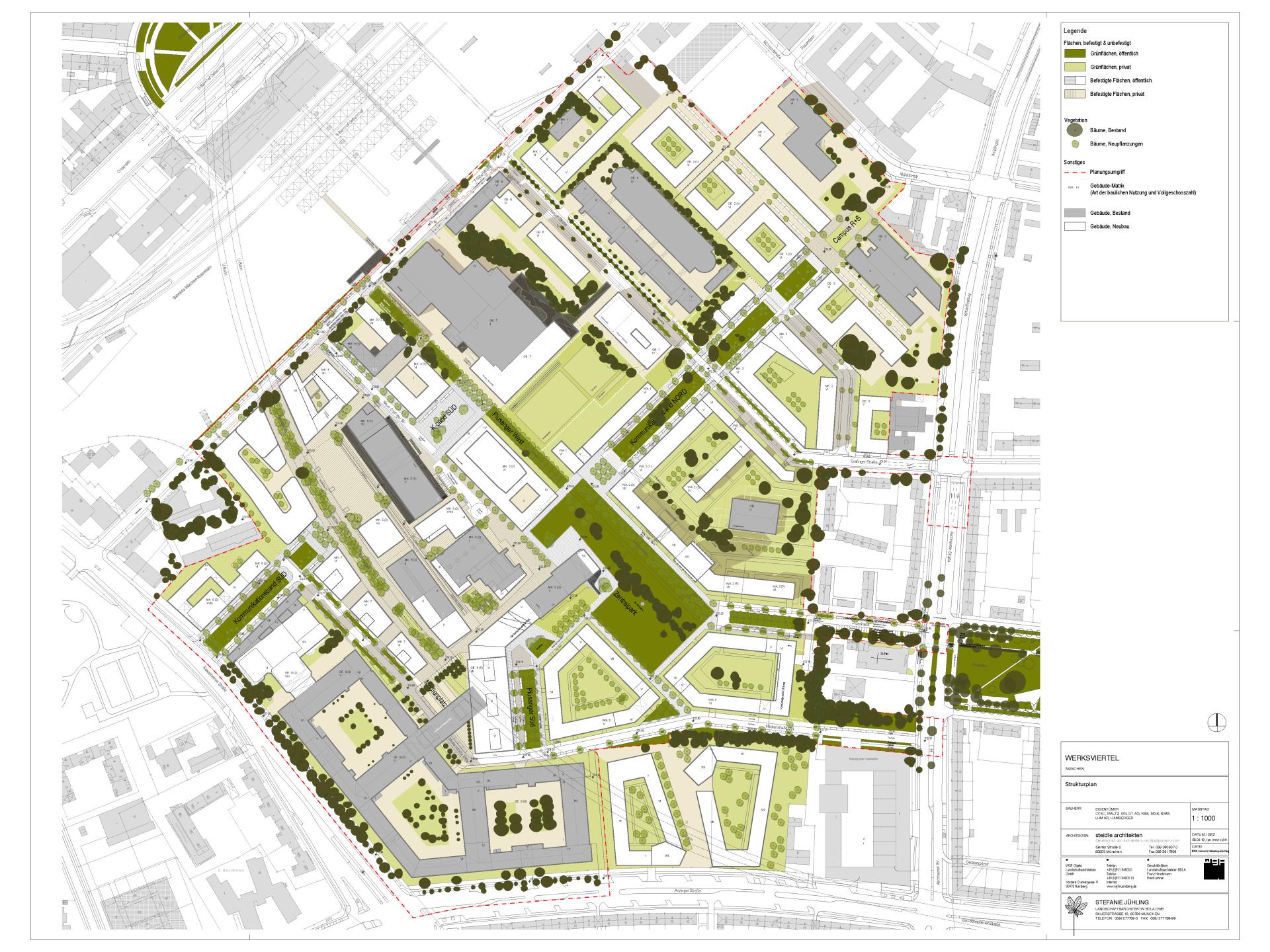
The Werksviertel Munich, Germany, is the development of a former industrial site into an independent quarter for residential, commercial, social, and cultural activities with open public spaces for events and other forms of entertainment, carefully curated by the main owner, the OTEC. The Werksviertel is connected to the core of Munich by the Ostbahnhof in the north, the Kusterman Park in the west, residential quarters in the south and commercial areas in the east and functions as urban interface. The existing activities are to be gradually cultivated, consolidated and updated, while new developments are initiated at the same time. Urban diversity, spatial events and programmatic innovation are the focus of the design work, which is joint by several European architecture studios - steidle architects as leading architects and urban planners. Housing will be integrated into the overall urban concept of the Werksviertel as a further, unique urban building block. Two factors are of crucial importance: the use of the ground floor as an active interface between public and private space, as well as a broad mix of living space typologies. Only when added together the actual value emerges: a new piece of modern, sustainable city, the Metropolitan City of Munich! The close integration of the functions of living, working, culture and leisure leads to short distances and thus the avoidance of motorized, individual traffic. The direct connection to the train network, the subway, S-Bahn and tram as well as the bus system also enables optimal accessibility for external visitors to the district. Social sustainability is similarly supported. The update and further integration of uses and users into the new district prevents unnecessary movements. In order to act as sustainably as possible, it was decided to preserve a large part of the buildings and put them to new use. Calculations showed that 85.028 tonnes of building materials were taken over from existing buildings in Werksviertel-Mitte by 2030, including concrete, steel and masonry. In total, 42 percent of the existing building fabric in Werksviertel-Mitte was able to be preserved. Intensively green roofs mown by sheep improve the “Heat “Heat Island” problem.
Credits
Entrant Company
Modern Design Management Consultant Co.,Ltd.
Category
Conceptual Design - New Category: Outdoor Cultural Event & Food Culture Experience
Entrant Company
DOOR SPACE DESIGN
Category
Interior Design - Restaurants & Bars
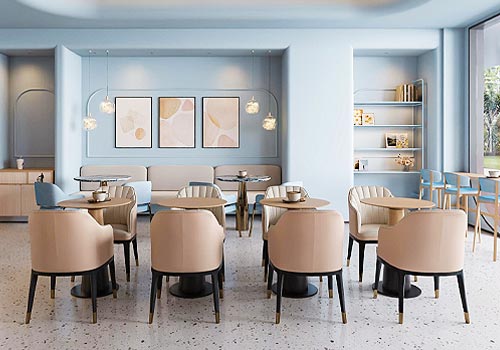
Entrant Company
G.Z DESIGN STUDIO LTD
Category
Interior Design - Restaurants & Bars
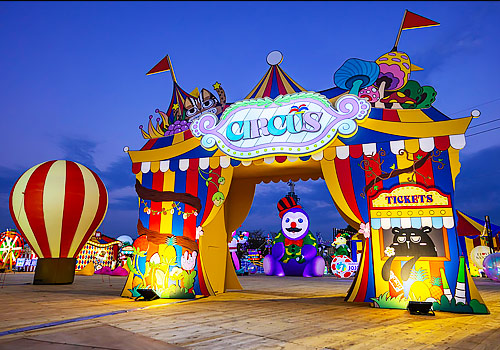
Entrant Company
Indigo Land Limited Company
Category
Lighting Design - Art (Interior & Exterior Lighting)